admin
admin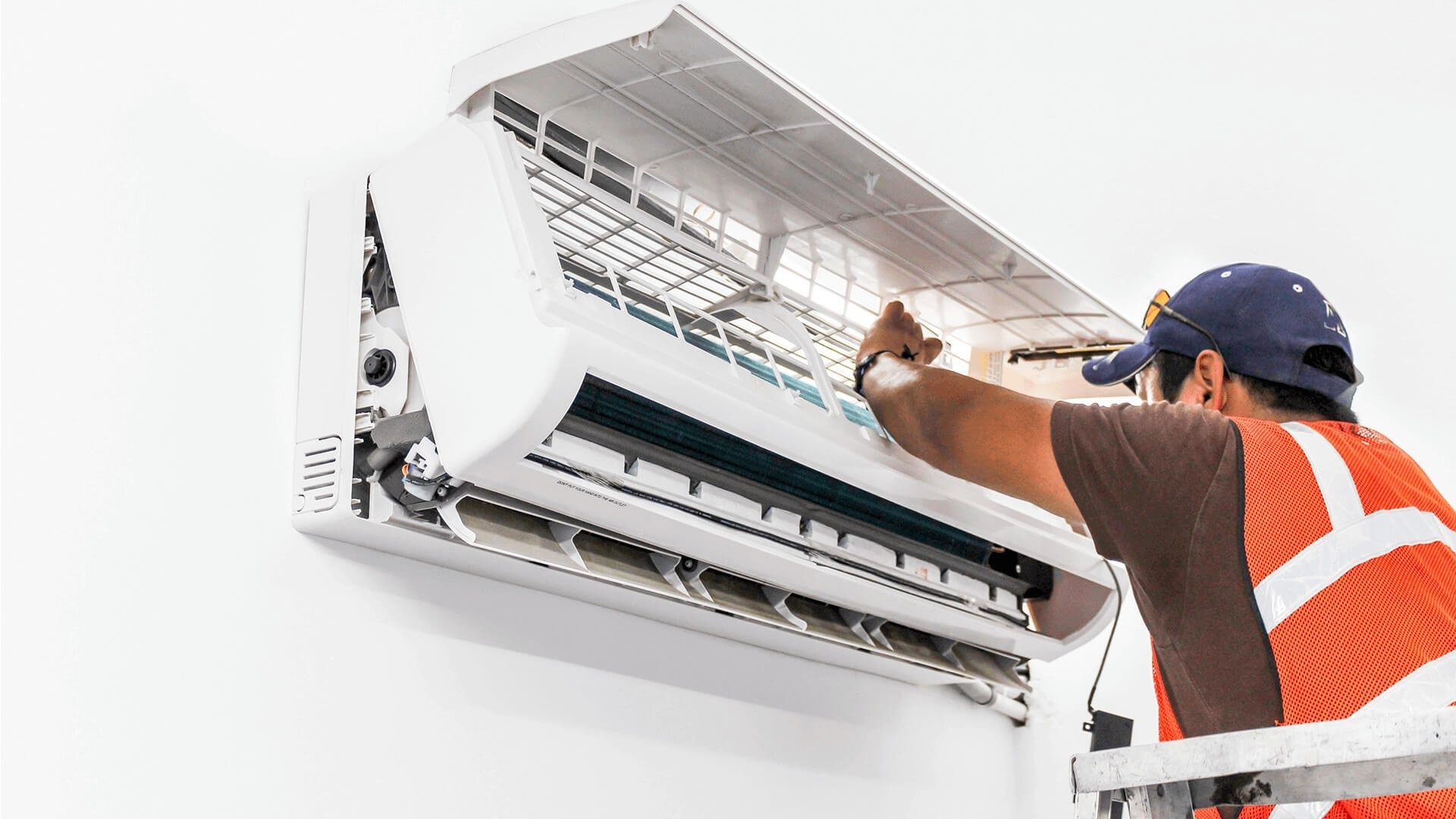
Upgrading an old window air conditioning unit can significantly improve your cooling efficiency and reduce energy costs without requiring a costly replacement. Many homeowners hesitate to invest in new units due to budget constraints, but there are practical ways to enhance the performance of existing window ACs that are both affordable and effective. The first step is to ensure proper maintenance, as a well-maintained unit operates more efficiently. Cleaning or replacing the air filter regularly prevents dust buildup that restricts airflow and forces the compressor to work harder. Additionally, cleaning the coils inside the unit removes dirt and debris that reduce heat exchange efficiency. This simple task can often be done with a soft brush or vacuum attachment.
Sealing gaps around the AC frame helps prevent cool air from escaping and warm air from entering your room. Applying weatherstripping or caulking around the edges creates a tighter seal, improving overall cooling performance while reducing strain on your system. Another cost-effective upgrade involves installing a programmable thermostat designed for window units if compatible models exist; this allows better temperature control by adjusting settings based on occupancy patterns, which reduces unnecessary operation when rooms are unoccupied.
Improving insulation in your room also complements upgrades made directly to your window ac unit. Adding thermal curtains or reflective window films minimizes heat gain through windows during hot days, meaning less work for your air conditioner. Using fans strategically enhances circulation by distributing cooled air more evenly throughout space without increasing energy consumption substantially.
For older models lacking modern features like energy-saving modes or eco-friendly refrigerants, consider retrofitting components such as variable speed motors if available for your specific model type; these can lower electricity usage by matching compressor speed with cooling demand instead of running at full power continuously.
If you notice excessive noise from vibrations or loose parts within the unit’s housing, tightening screws and adding rubber padding between metal contacts can reduce sound levels while preventing mechanical wear over time.
While upgrading an old window AC may not match brand-new high-efficiency systems’ capabilities entirely, these inexpensive improvements collectively extend lifespan and enhance comfort efficiently. By focusing on routine upkeep combined with targeted enhancements like sealing leaks, improving insulation nearby, optimizing controls where possible, and addressing mechanical issues promptly, you avoid major expenses yet enjoy cooler indoor environments during warm seasons reliably year after year.